Potjevleesch, the cold terrine that puzzles
A mix of white meats, a sharp jelly, hot chips on the side. The most Flemish dish on the menu, and the most misunderstood.
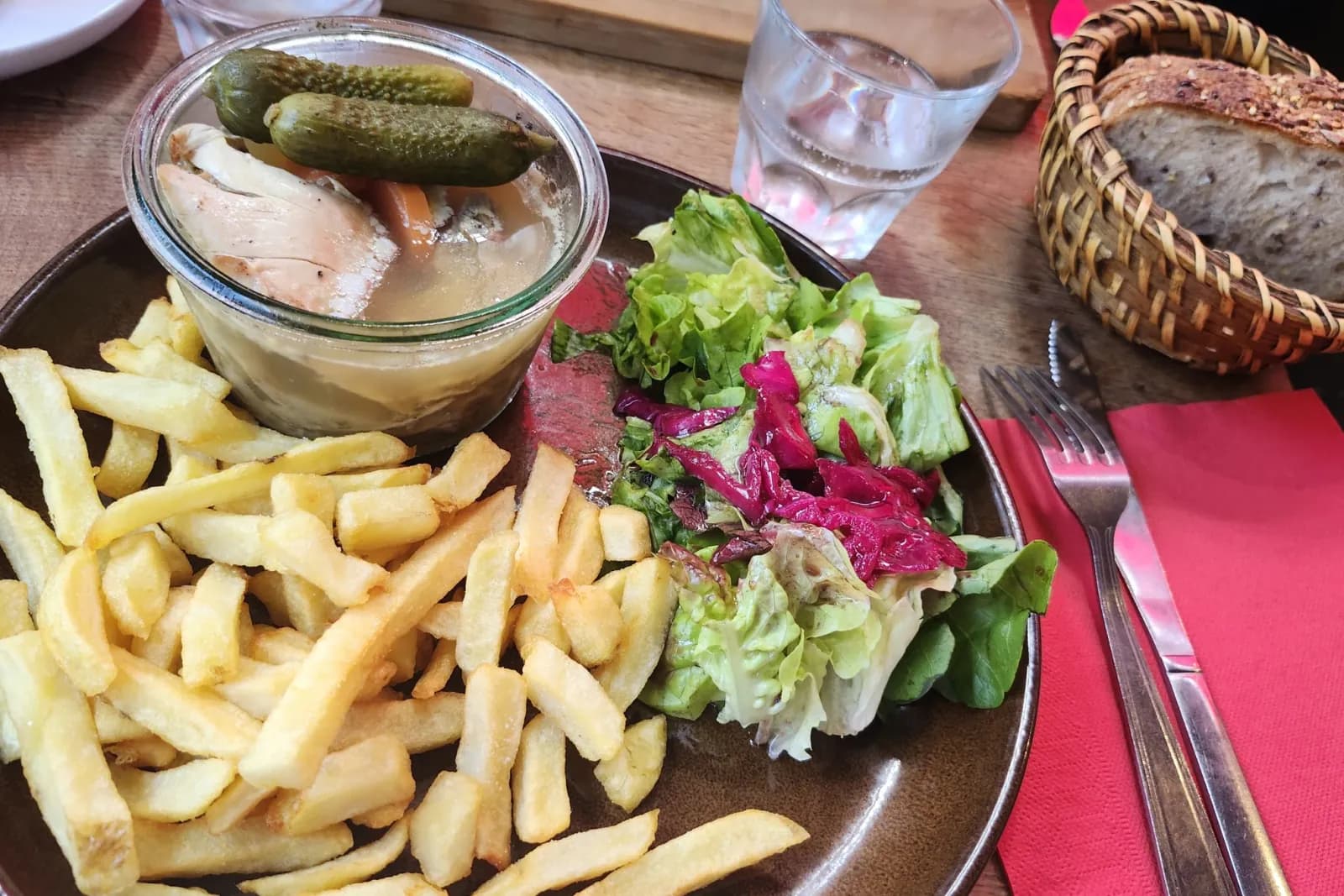
Photograph by our guest Philippe D.
Published on September 4, 2026
The little pot of meat
The name is Flemish and says it all: potje, the little pot, vleesch, the meat. It is a terrine of white meats, chicken, rabbit and pork depending on the house, cooked slowly on the bone in a vinegared stock with onions, thyme and bay, then set in jelly in the cold. It is often served boned, as ours is, to make it easier to eat. A dish from Dunkirk and maritime Flanders, adopted by all of Flanders, and described in Flemish cookbooks for centuries.
It was a way to keep meat before the refrigerator: vinegar and jelly protected it, and the pot kept for days in the cool of the cellar. People took it to the fields and served it on Sundays. It has kept its rustic side and its frank taste from those days.
How do you pronounce it?
“Pot-yuh-flaysh”, stressing the first syllable. It is also spelt potjevleesch, potjevlees, pot'je vleesch: nobody will correct your spelling, but a northern waiter will smile if you say “pot-jee-vlee-esh”.
Why is it eaten cold?
Because that is how it kept, and because it is better that way. With hot chips beside it, the jelly melts against the fried potato, and that is exactly the point: the sharpness of the vinegar, the softness of the meats, the fat of the chips. Those who hesitate over the plate almost always finish it. Those who have eaten it once order it the next time.
How do you recognise a good potjevleesch?
By its jelly, clear rather than cloudy, which trembles without collapsing and has taste, not just hold. By the meats, which stay in pieces: you should make them out, not find a uniform paste. By the vinegar, present but not dominant. It is served in its pot or turned out, with chips, a salad, and often a blonde beer from the coast.
Where to eat it in the North?
On the coast first, where it was born: Aux Aïeux, on the Dunkirk seafront, serves it on the terrace facing the sea. And in our houses in Lille and Flanders, where it sits on the regional platters next to carbonade and welsh, for those who want a taste before committing. To pick a house, the guide to Lille's estaminets gives each one's menu and hours.
Eight houses, from old Lille to the sea
Long tables, slow-cooked dishes, welsh, a counter, the seaside: pick yours by mood, the menu and prices are on every page.
See our housesAlso worth reading
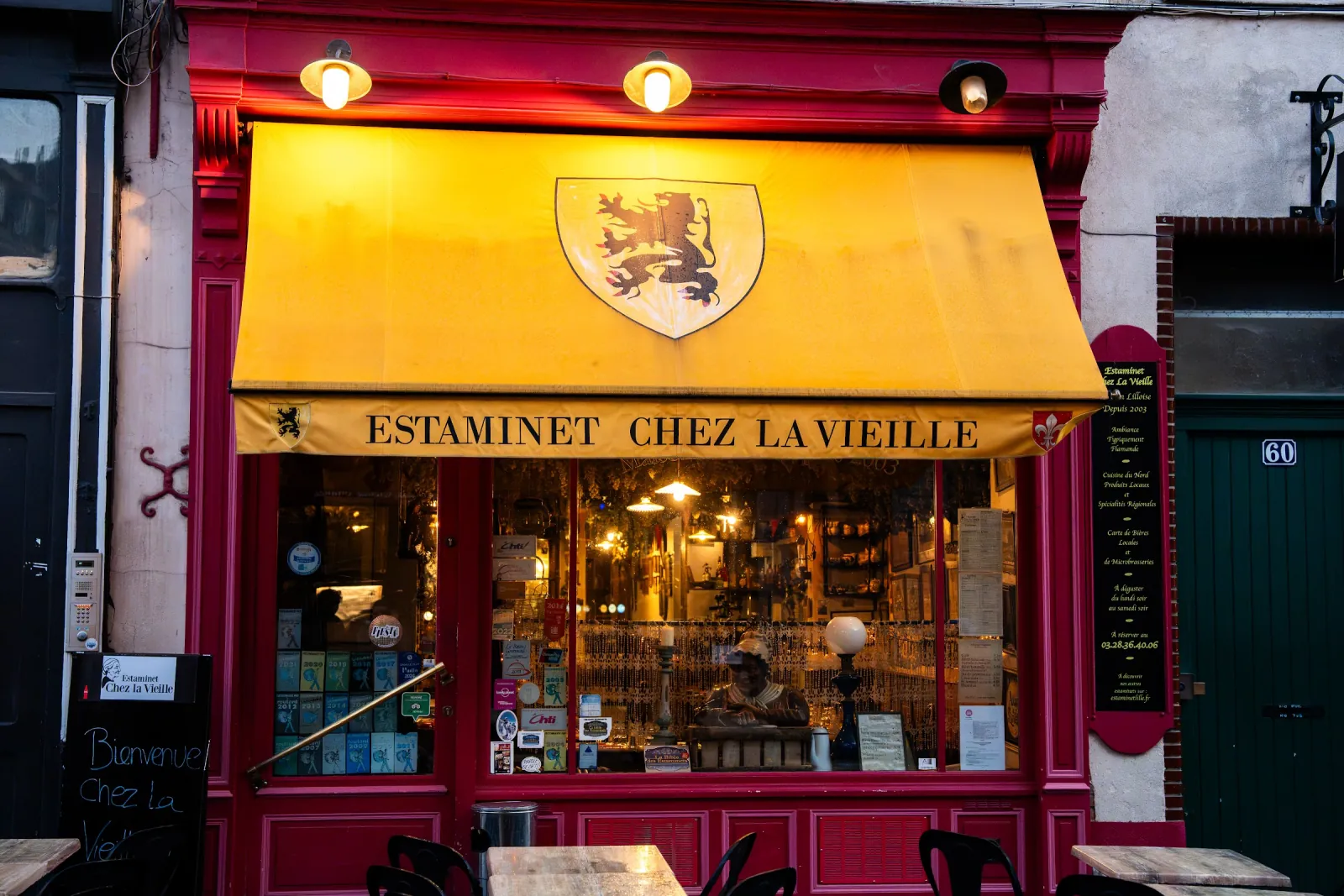
Rue de Gand: three estaminets, three ways to eat Flemish
A cobbled street climbing towards the porte de Gand, brick fronts, and three of our houses a few dozen metres apart. They do not serve the same thing, and that is no accident.
Read more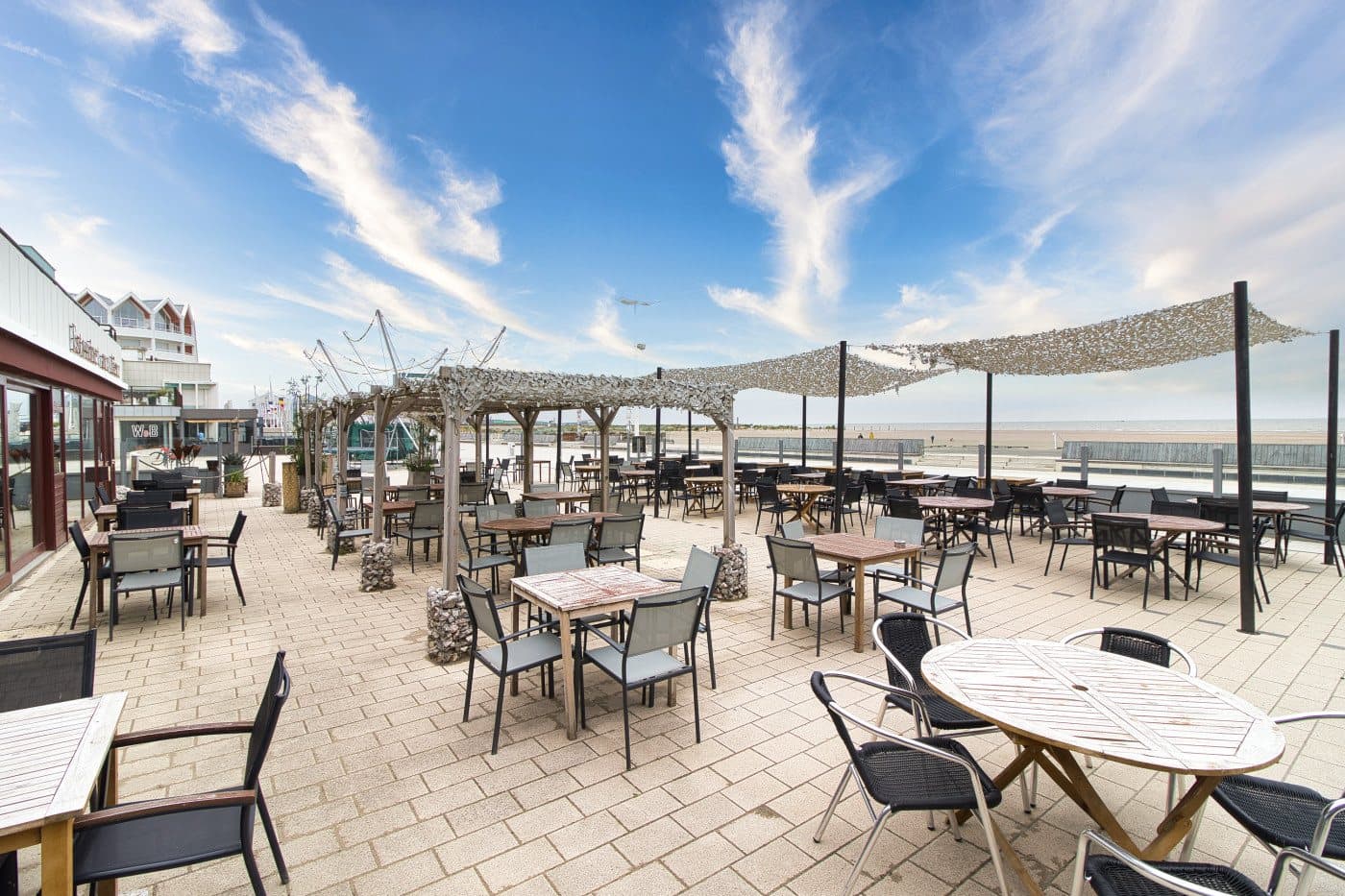
Saint Martin, the children's festival of the North
A hollowed-out beetroot, a candle inside, and children singing in the street at nightfall. This is the 11 November festival nobody talks about.
Read more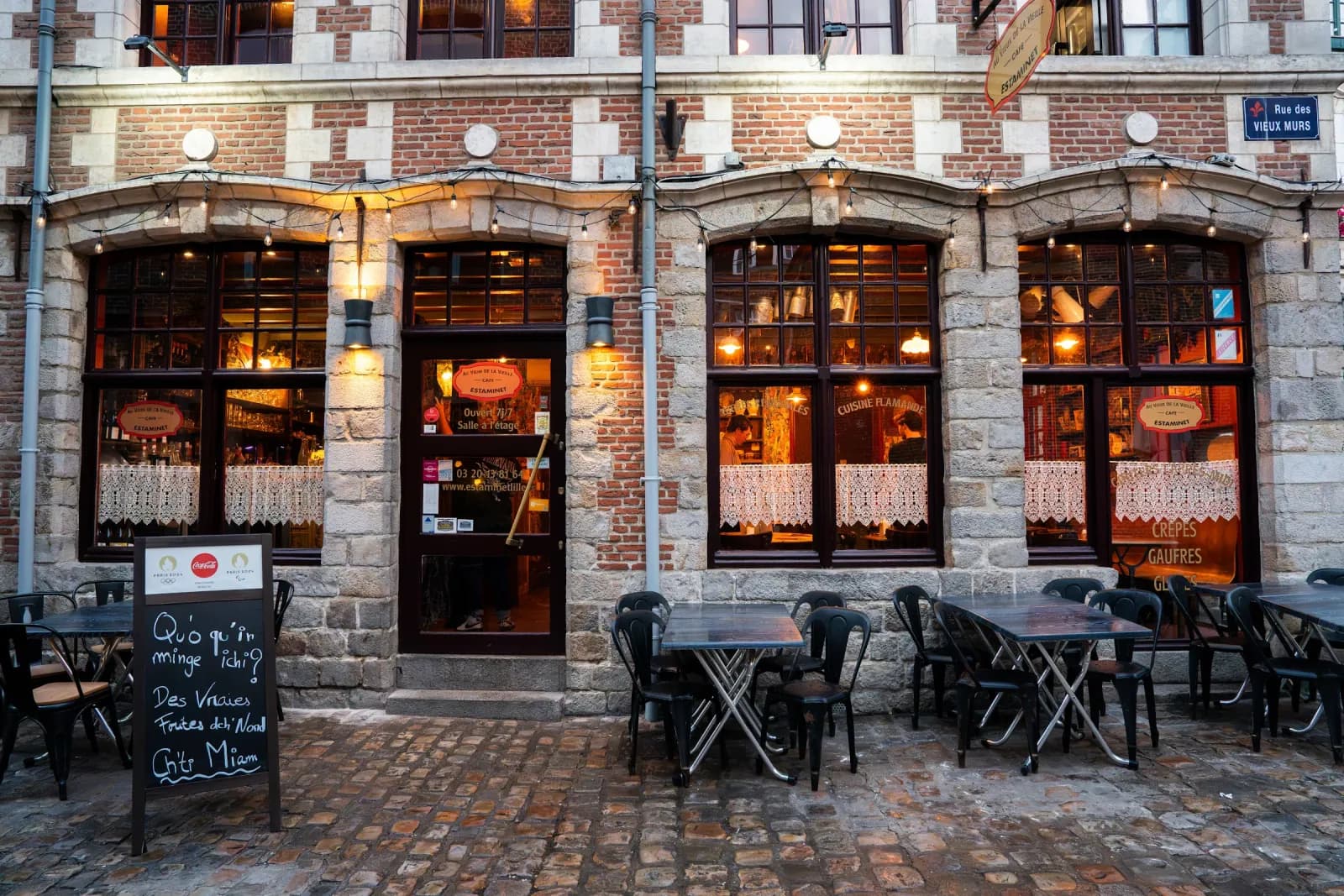
Which estaminet to choose in Lille?
Eight houses, two squares, one street, three villages. This comparison covers only ours, and says so: here is what sets them apart, to choose fast and walk through the right door.
Read more