The magazine
Northern cooking explained dish by dish, the beers, the district, and what to know before pushing open the door of an estaminet.
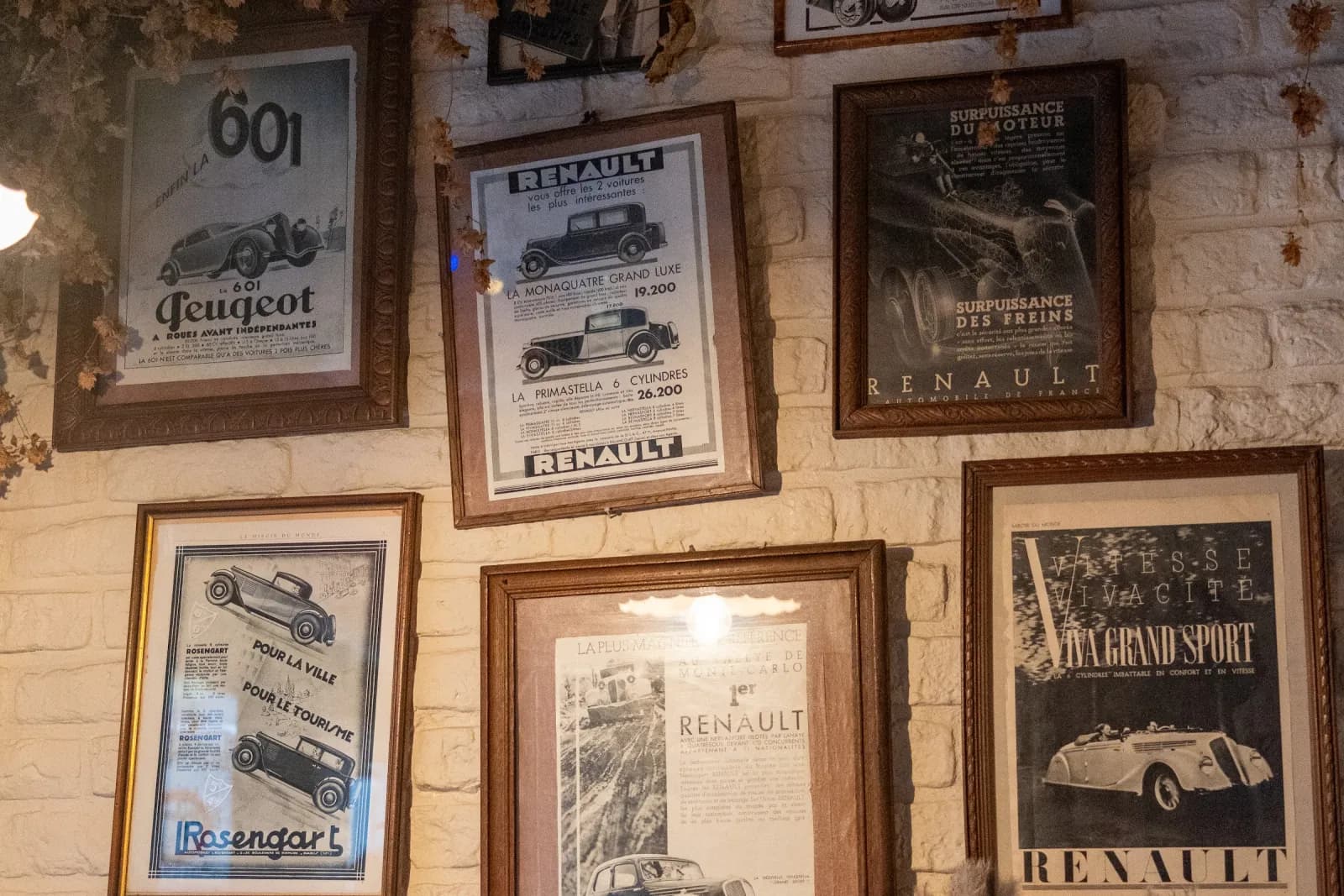
Our own photograph
Articles
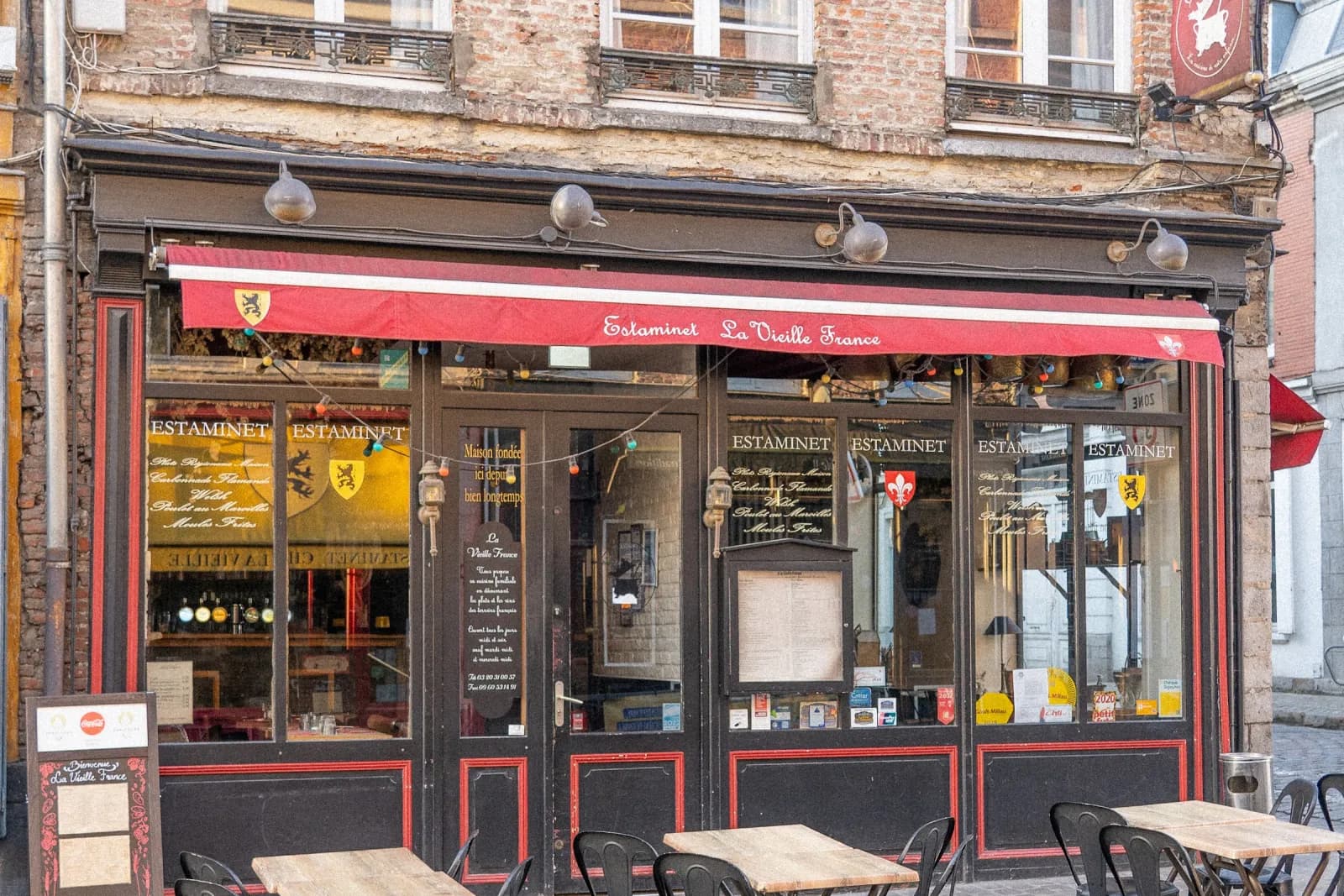
Rue de Gand: three estaminets, three ways to eat Flemish
A cobbled street climbing towards the porte de Gand, brick fronts, and three of our houses a few dozen metres apart. They do not serve the same thing, and that is no accident.
Read more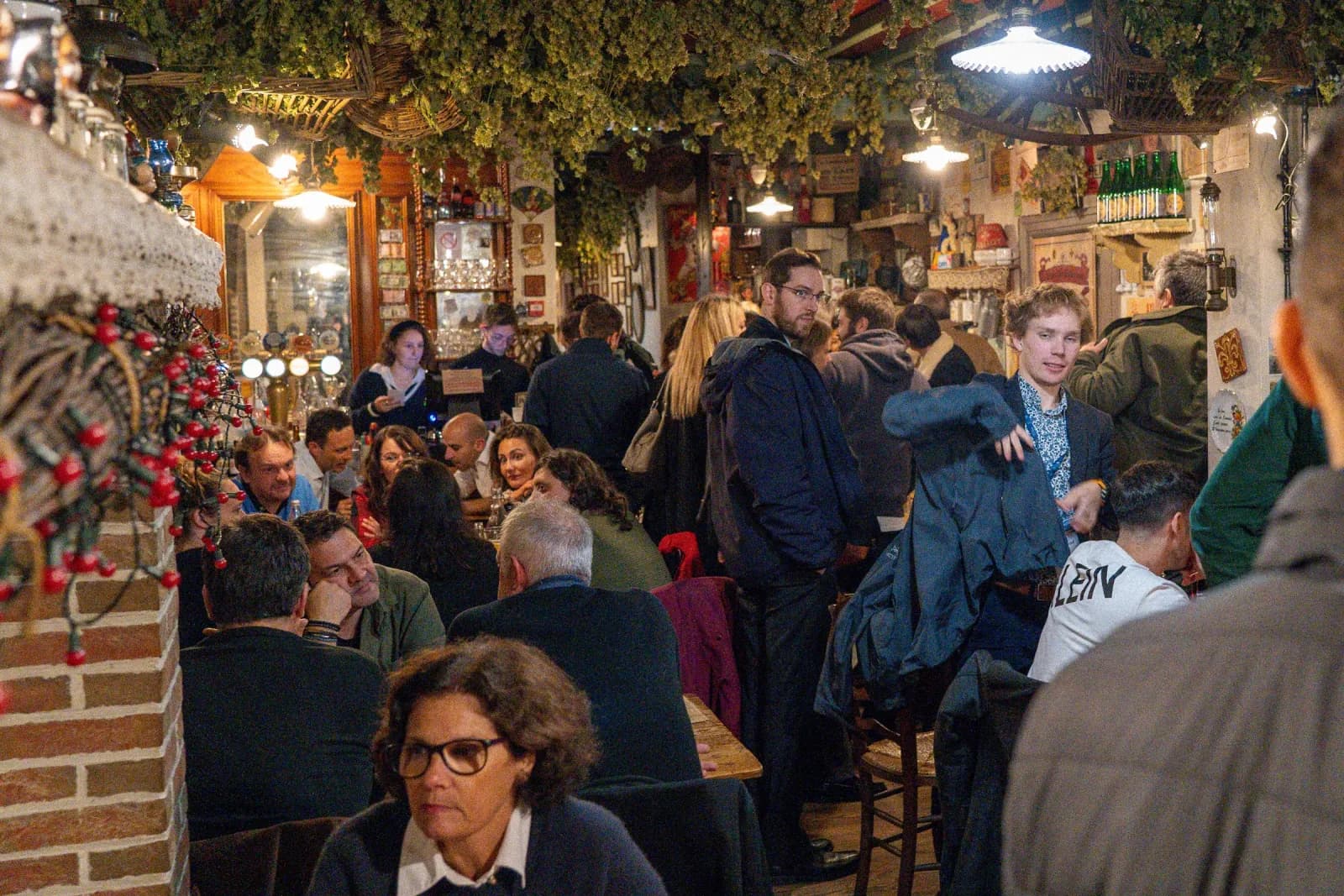
Saint Martin, the children's festival of the North
A hollowed-out beetroot, a candle inside, and children singing in the street at nightfall. This is the 11 November festival nobody talks about.
Read more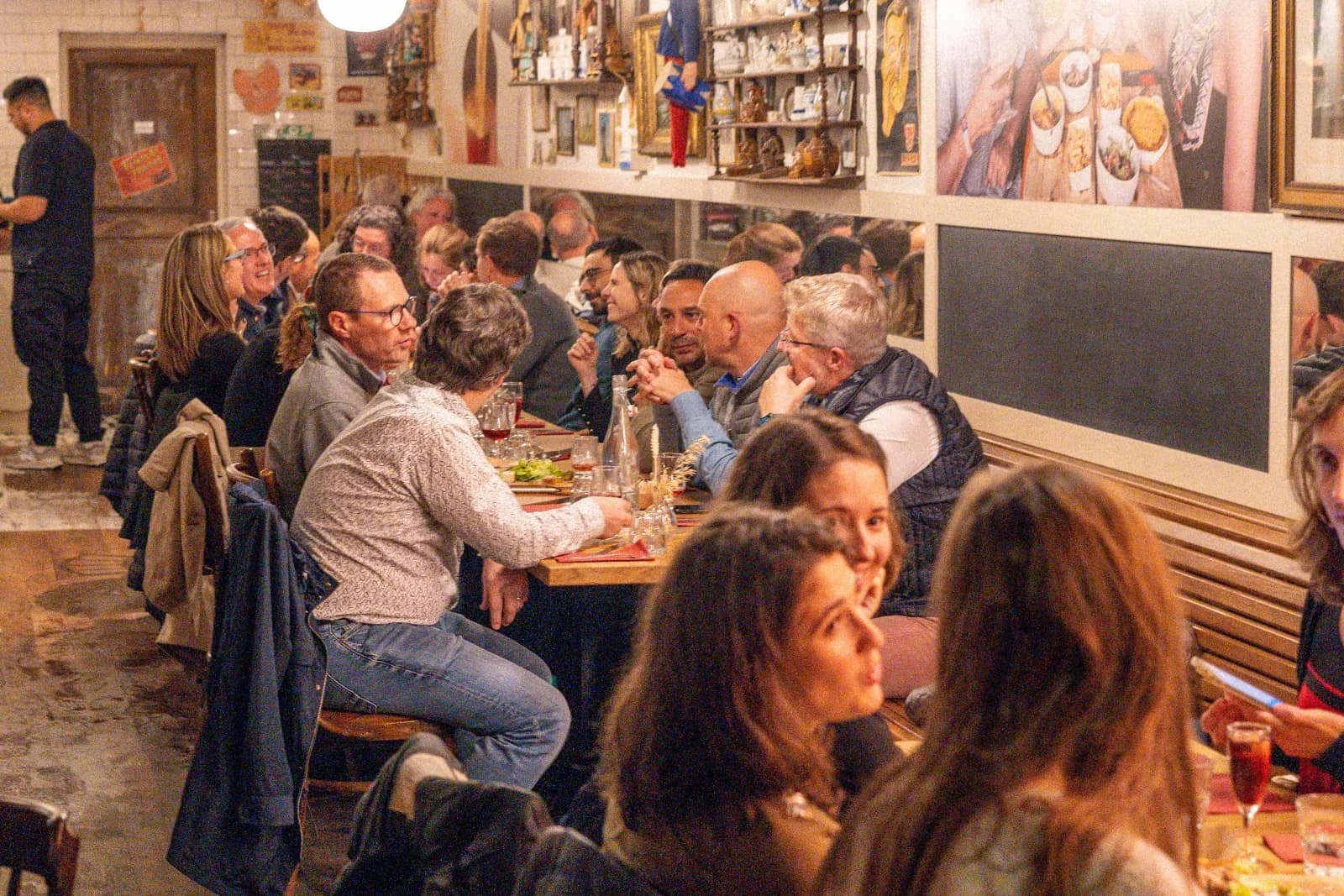
Which estaminet to choose in Lille?
Eight houses, two squares, one street, three villages. This comparison covers only ours, and says so: here is what sets them apart, to choose fast and walk through the right door.
Read more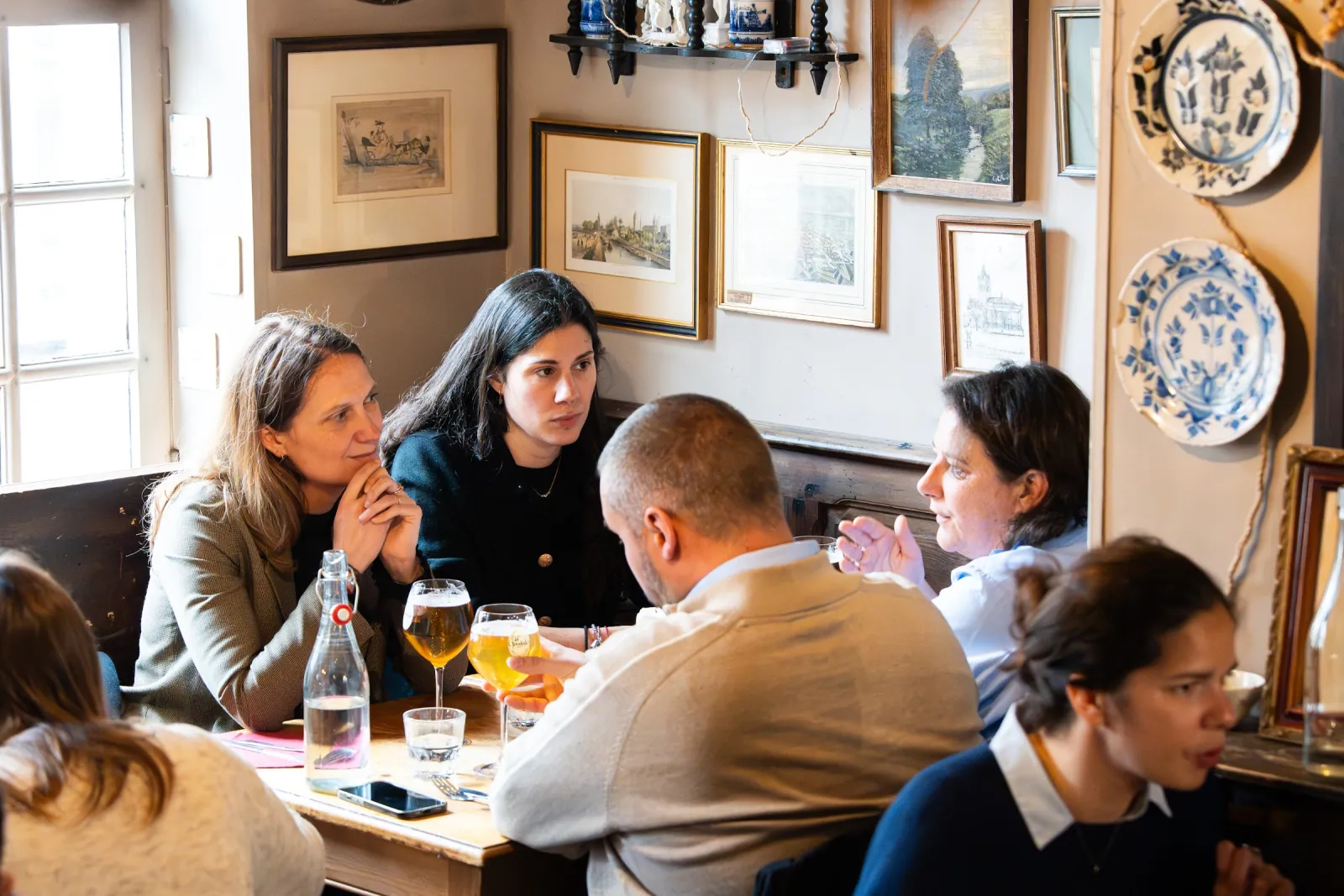
What is an estaminet?
Neither bistro, nor brasserie, nor theme restaurant. The word comes from Flanders, it is three centuries old, and it describes a way of welcoming people before anything else.
Read more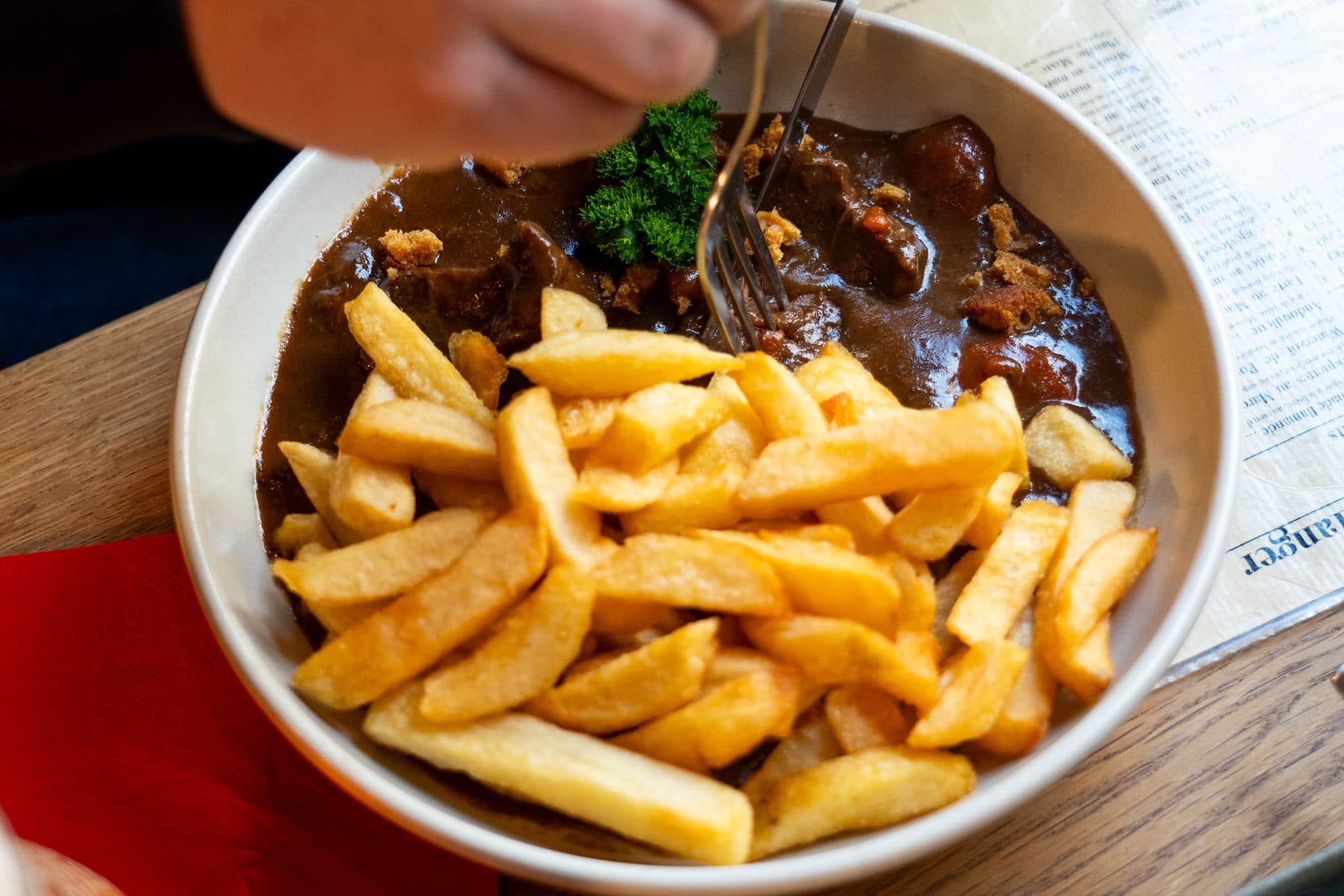
Carbonade flamande, what really goes in it
Beef, brown beer, onions, mustard-spread gingerbread and time. The rest is up to each house.
Read more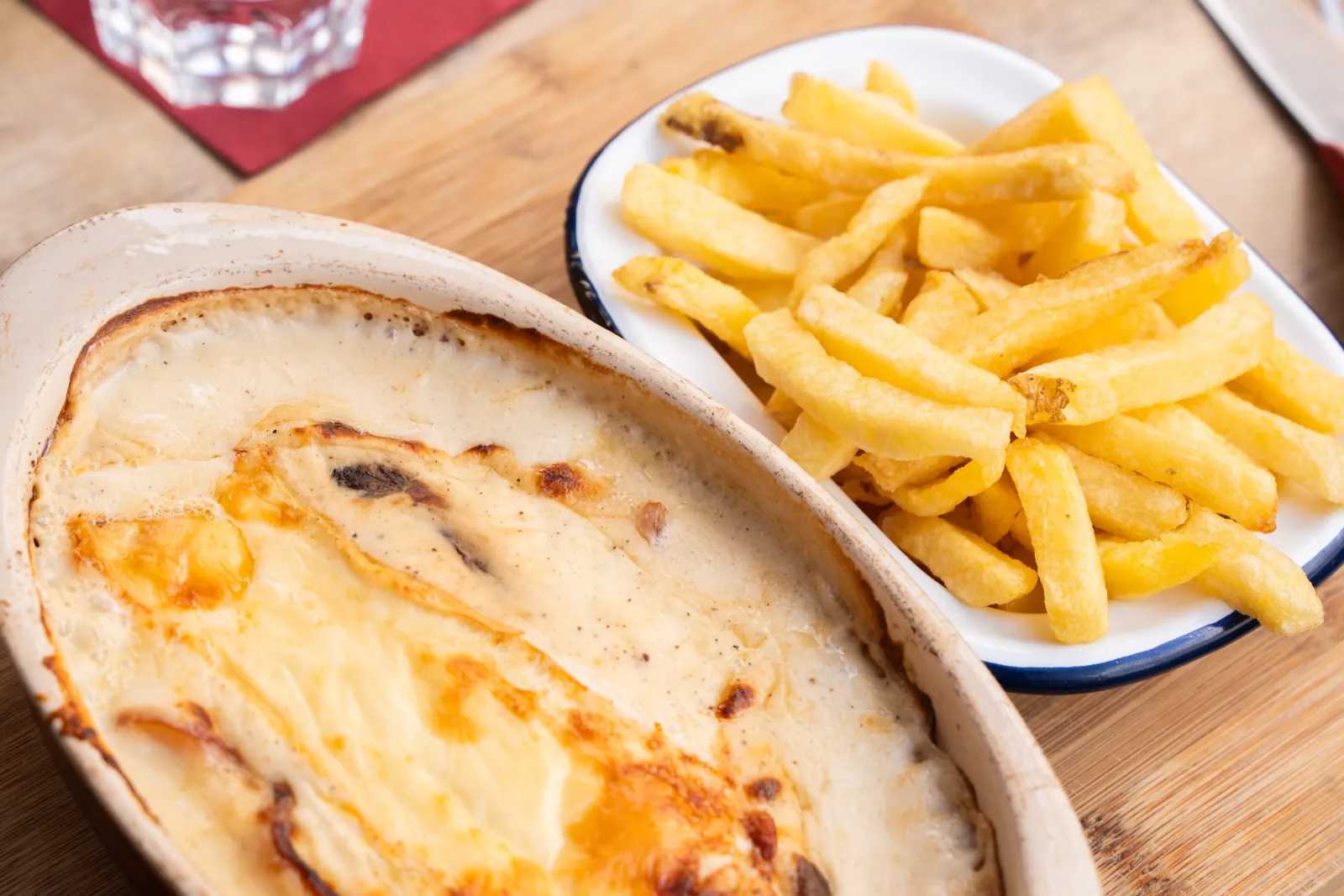
The welsh, from Wales to old Lille
A Welsh dish, adopted by the North, reinvented with maroilles on place aux Oignons. And a house devoted to it, on rue de Gand.
Read more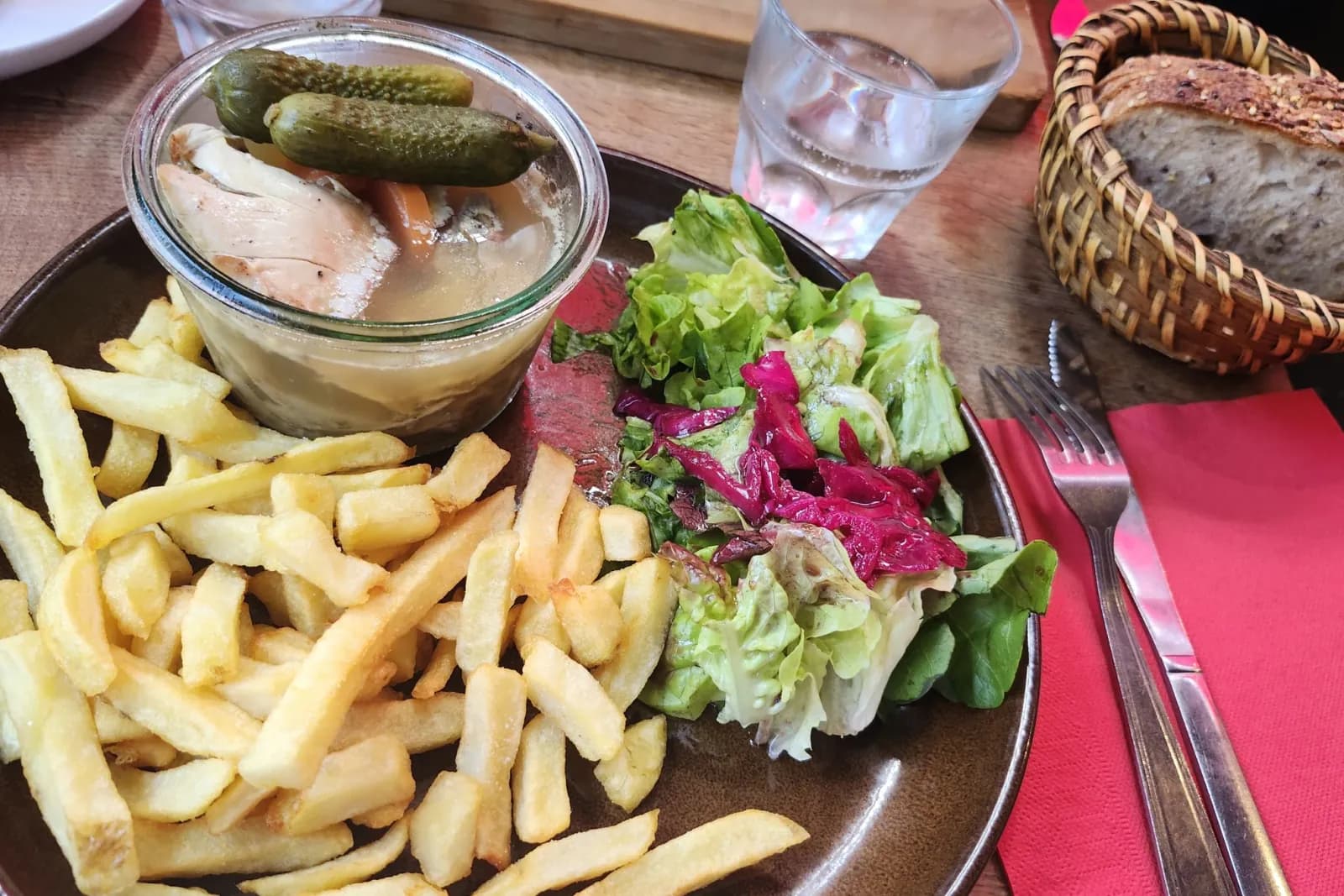
Potjevleesch, the cold terrine that puzzles
A mix of white meats, a sharp jelly, hot chips on the side. The most Flemish dish on the menu, and the most misunderstood.
Read more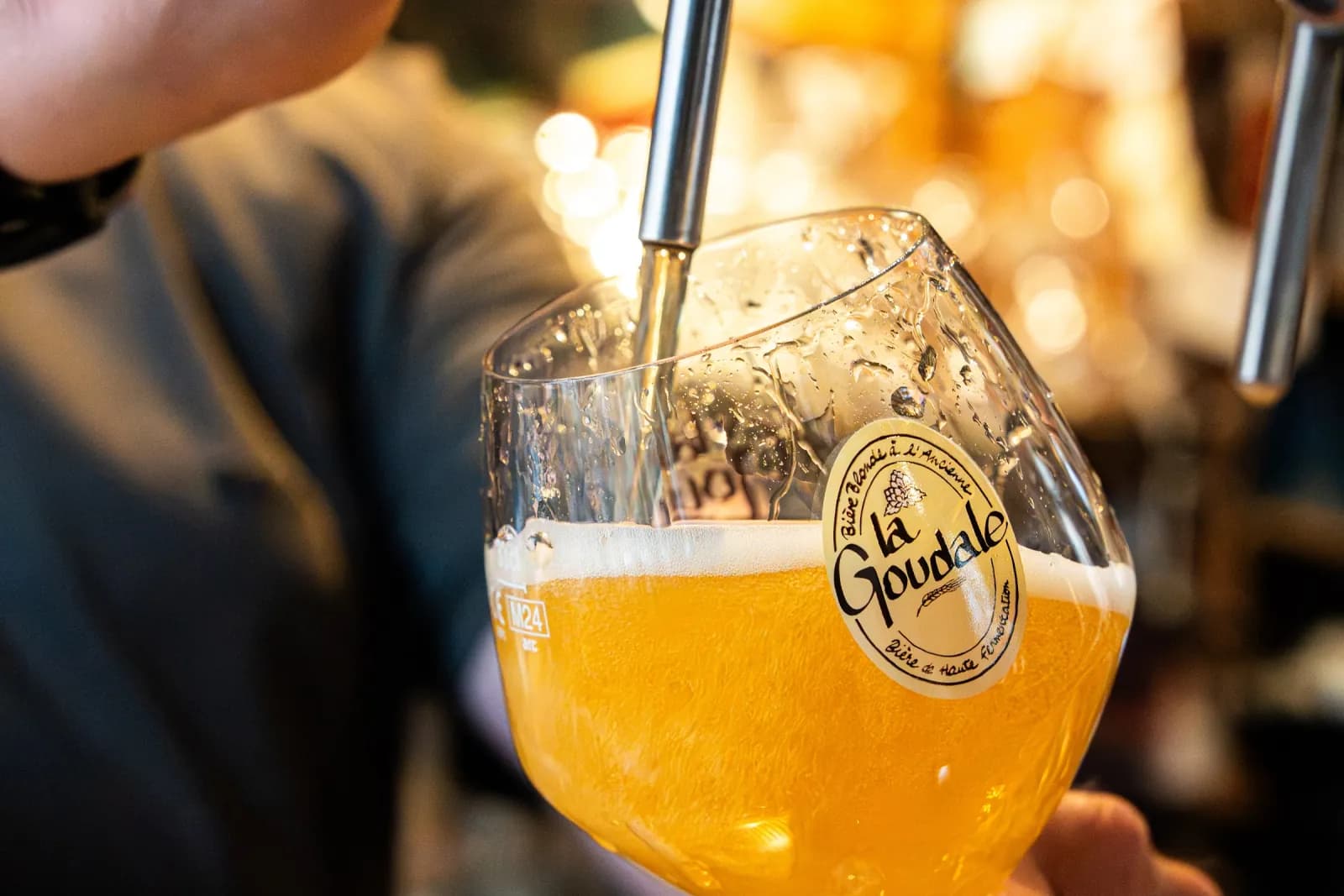
Drinking a northern beer in an estaminet
Blonde, amber, brown, de garde or abbey: how to read the counter, and what to drink with what.
Read more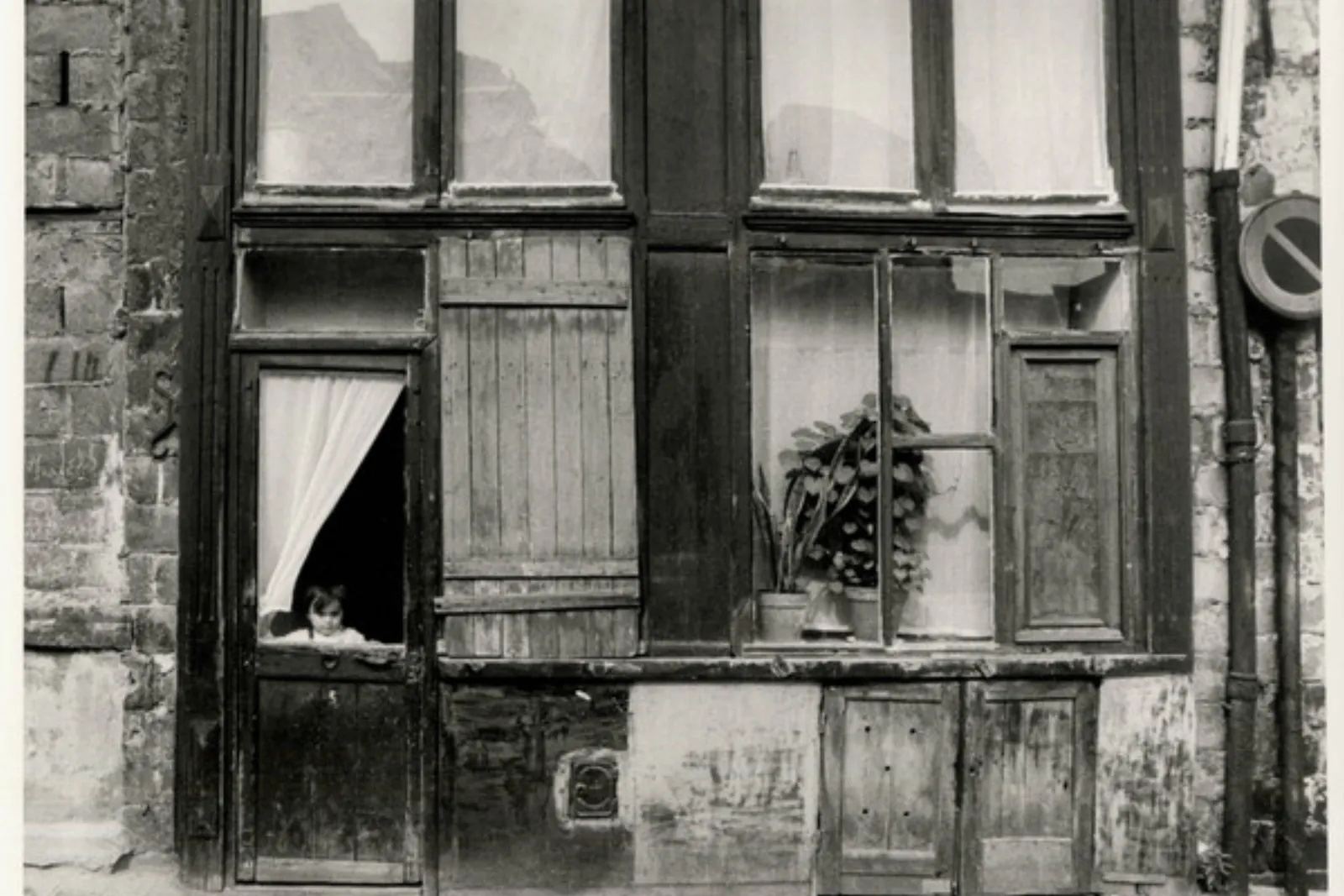
Old Lille on foot, from place aux Oignons to rue de Gand
An hour's walk, four of our houses along the way, and enough to understand why this district brought the estaminet back to the table.
Read more
Flemish cooking, dish by dish
Carbonade, welsh, potjevleesch, waterzooi: what the dishes you will see on our menus really contain.
Read the guide